


Millions of people struggle with anxiety disorders every year. At the same time, many also face substance abuse. But what happens when both show up at once? The answer isn’t simple—but it is serious. When someone deals with anxiety and substance abuse together, the risks grow. And too often, using substances only makes anxiety worse. We must spread awareness, support, and hope. It’s time to talk about how anxiety and substance use are connected—and what we can do about it. We will also recommend some of the genuine movements trying to teach upstream preventative approaches like The Unaltered State.
The Link Between Anxiety And Substance Abuse
Anxiety and substance issues often go hand in hand. Co-occurring disorders are more common than many people think. According to the Substance Abuse and Mental Health Services Administration, 21.5 million people struggle with co-occurring disorders.
That means people living with panic disorder, generalized anxiety disorder (GAD), or social anxiety disorder are more likely to experience drug abuse or alcohol dependence. Why? Because they’re trying to feel better. But the relief is short-term—and the long-term effects are damaging.
Why Anxiety Leads Some To Self-Medicate
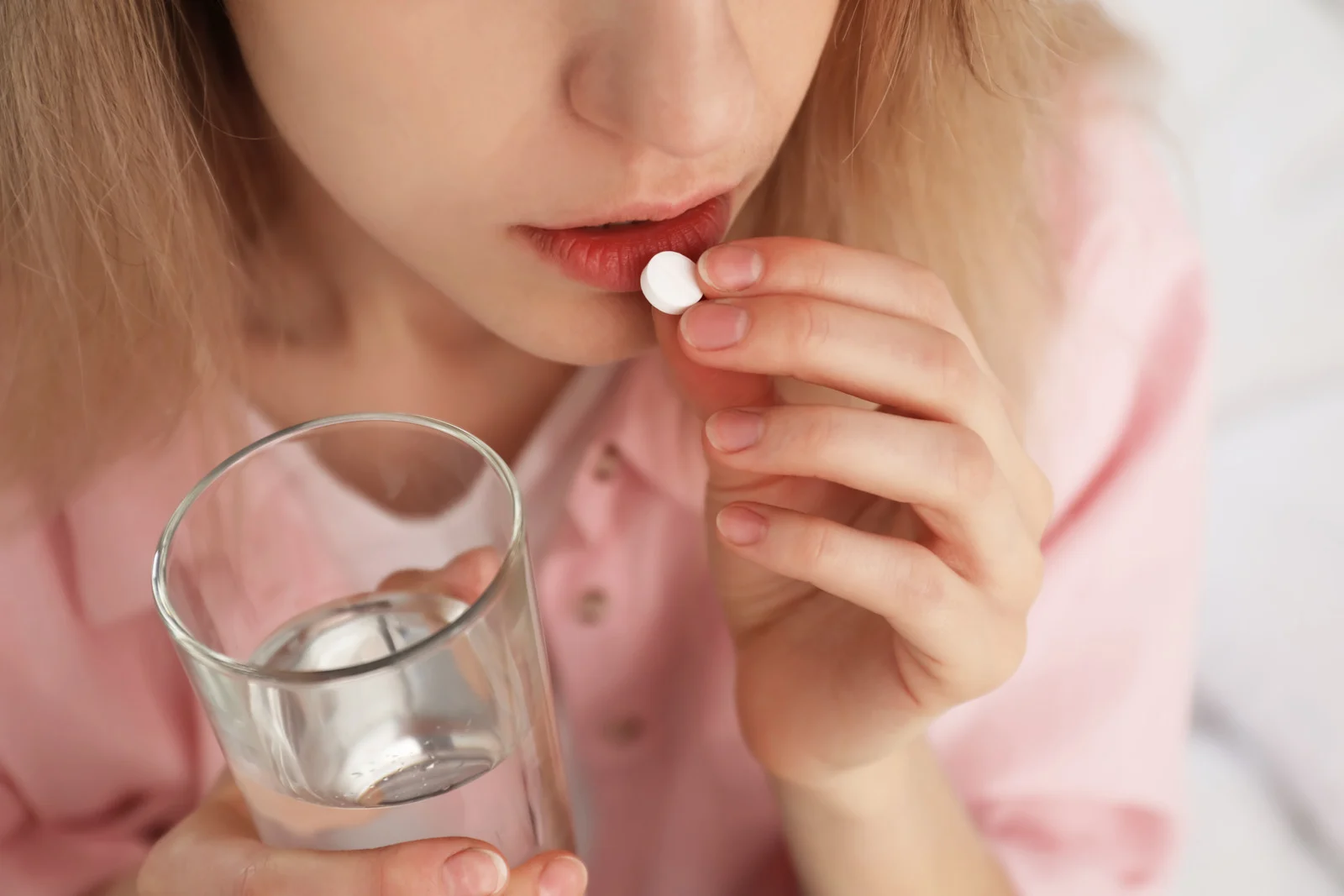
Many teens and young adults with mental health conditions turn to substances for escape. This is known as self-medication. It might seem like a quick fix at first. A vape hit, a drink, or a pill might feel like it calms the nerves. But that temporary high comes with serious consequences.
Over time, substance use interferes with the brain’s ability to manage anxiety symptoms. It increases feelings of intense fear, stress, and worry. What started as a coping strategy quickly turns into a cycle that’s hard to break.
Substances Make Anxiety Worse—Here’s How
When you mix anxiety and substance use, both problems usually get worse. Here’s why:
- Alcohol use disorder can lead to or intensify panic attacks
- Drug abuse can trigger psychological symptoms like paranoia or racing thoughts
- Alcohol withdrawal causes shaking, sweating, and severe anxiety
- Long-term use of substances affects sleep, energy, and mood stability
In short, the brain gets confused. It can’t regulate emotion the way it should. As a result, both anxiety disorders and substance abuse disorders grow stronger over time.
What The Research Tells Us
The National Epidemiologic Survey on Mental Health shows a strong connection between comorbid anxiety and comorbid substance use disorder. These co-occurring anxiety disorders share many common risk factors, such as:
- Family history of mental illness or substance use
- Traumatic or environmental factors during childhood
- Ongoing stress at school, work, or home
- History of depression, PTSD, or other mental health disorders
When these mental health conditions go untreated, teens are more likely to develop both anxiety and substance abuse issues. That’s why early support and intervention matter so much.
Recognizing The Signs Of Co-Occurring Disorders

Mental health professionals often struggle to diagnose generalized anxiety disorder when substance use is also involved. Why? Because the symptoms can look the same.
Watch for these red flags:
- Worsening anxiety symptoms after drinking or using drugs
- Needing a substance to feel “normal” or relaxed
- Trouble sleeping, focusing, or functioning without it
- Increased withdrawal from friends, family, or activities
- Physical symptoms like stomachaches, shakiness, or headaches
- Panic, paranoia, or extreme mood swings
If these sound familiar, it’s important to know that you’re not alone—and that help exists.
Why Treating Just One Problem Doesn’t Work
If someone treats only the substance abuse without addressing the anxiety, or vice versa, recovery becomes much harder. These are co-existing anxiety diagnoses, and they need a comprehensive treatment plan.
Left untreated, one disorder usually makes the other worse. A person may relapse not because treatment failed—but because one part of the problem went ignored. That’s why substance abuse treatment programs that also focus on mental health are key to success.
Effective Treatment Options That Actually Work
There is hope—and real solutions. Many people recover from anxiety and substance abuse with the right approach. Here are a few evidence-based options:
Cognitive Behavioral Therapy (CBT)
CBT helps people change negative thinking patterns. It’s widely used to treat anxiety and substance use disorders at the same time.
Dual Diagnosis Treatment
Programs focused on co-occurring disorders provide targeted therapy, group support, and professional treatment. They address both the emotional and physical side of recovery.
Prescription Medications
In some cases, mental health professionals may recommend safe, non-addictive prescription medications to reduce gad symptoms and support recovery.
Peer And Family Support
Strong social networks play a huge role in treatment outcomes. Family education, peer groups, and mental health services administration support help create a recovery-friendly environment.
Saying No To Substances Protects Mental Health
If you live with anxiety symptoms, avoiding substances is one of the best ways to care for your mind. Saying no helps you stay in control. It gives your brain a chance to regulate naturally. It also reduces the risk of mental health disorders, addiction, and long-term damage.
Even occasional drug and alcohol use can disrupt your body’s chemical balance. But when you stay substance-free, you make room for better coping tools—ones that help.
A Movement For Mental Wellness
At The Unaltered State, we understand that mental health and substance use are deeply connected. That’s why our campaign goes beyond “just say no.” We focus on real stories, education, and support that meet teens where they are.
We want to help you:
- Understand how anxiety and substance are linked
- Find safe alternatives for dealing with stress
- Build confidence without needing to numb out
- Feel supported, seen, and heard
We believe in honest conversations, not judgment. Our goal is to provide tools that support long-term health—not quick fixes with lasting harm.
Help Is Out There
If you’re dealing with co-occurring issues or supporting someone who is, you are not alone. Millions face the same challenge. But recovery is possible—and it starts with the first step.
Anxiety and substance abuse don’t have to define your life. You have the power to choose healing, clarity, and growth. While substances may promise relief, they only deepen the pain. Real freedom comes when you say yes to your health—and no to the things that hold you back.
Take the time to care for your mind. Build strong habits. Seek support. And remember: living unaltered isn’t just possible—it’s powerful.


