

Healthy trees are a valuable asset to any property, providing beauty, shade, and environmental benefits. However, trees can develop issues over time, requiring professional care to ensure they remain safe and thriving. Recognizing the signs of tree damage, disease, or pests early can prevent major damage and save a tree’s life. Let’s explore these indicators and why professional arborist services are essential for tree health.
1. Visible Tree Damage After a Storm
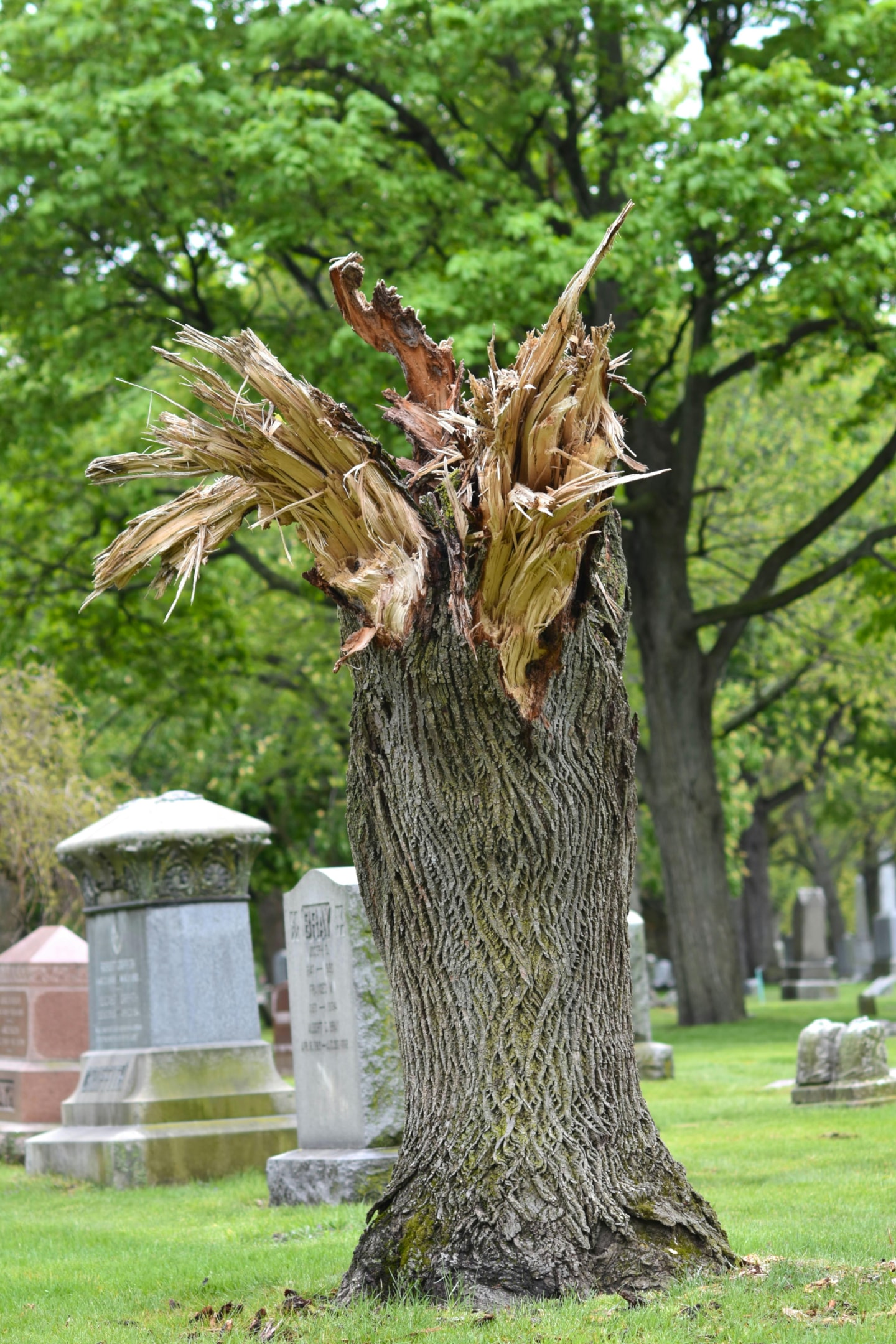
Storms can cause significant harm to trees. High winds, heavy rain, and flooding can break branches, weaken root systems, and damage trunks. Signs of storm damage include broken limbs, leaning trunks, and exposed roots. In most cases, professional arborists can assess whether the tree is worth saving or requires removal.
Severe storms can leave debris scattered, making it challenging for homeowners to determine the extent of the damage. If you notice storm-related issues, professional arborist services can address the problem promptly and safely.
2. Dead Wood and Broken Branches
Dead wood and broken branches are clear indicators that a tree needs attention. Dead wood appears brittle, lacks foliage, and can break off unexpectedly, posing a hazard. Broken limbs can also become weakly attached branches that threaten nearby buildings, vehicles, or people.
Pruning dead wood is crucial for maintaining healthy trees. Proper pruning techniques, such as the three-cut method, ensure pruning wounds heal effectively, reducing the risk of decay fungi infecting the tree.
3. Signs of Disease or Decay
Diseased trees often show subtle signs at first. Look for discoloration in the bark, unusual fall color patterns, or foliage loss. Decay fungi, such as mushrooms growing at the soil surface or trunk base, indicate internal decay that compromises the tree’s structural integrity.
A professional arborist can identify the disease type and determine the best course of action. In some cases, the tree may require removal, while others can be treated and saved with proper care.
4. Weak or Improperly Attached Branches
Weak branches are prone to breaking, especially during storms or high winds. Branches that are improperly attached, such as those without a strong branch bark ridge or branch collar, are particularly susceptible to breaking. Pruning branches early can help smaller trees develop a strong structure, reducing risks in the long run.
Proper pruning also prevents flush cutting, which damages the branch collar and increases susceptibility to decay and insects. Professional arborists use correct techniques to promote healthy growth and minimize pruning wounds.
5. Insect Infestations
Several types of insects can harm trees, including bark beetles, borers, and aphids. Signs of infestation include holes in the bark, sawdust-like debris at the base, and thinning foliage. Left untreated, these pests can cause extensive damage over several years.
Professional arborists can identify the specific pest species and recommend treatment options. In many cases, early intervention can prevent significant harm and extend the tree’s life.
6. Root Issues and Soil Concerns
Most tree roots are located near the soil surface, making them susceptible to damage from construction, flooding, or poor planting practices. Exposed roots, compacted soil, or improper mulch application can harm root systems, affecting the tree’s stability and health.
Healthy root systems are essential for nutrient and water absorption. Professional care can address these issues, whether by aerating the soil, adjusting mulch placement, or stabilizing the tree.
7. Structural Problems in Large Trees
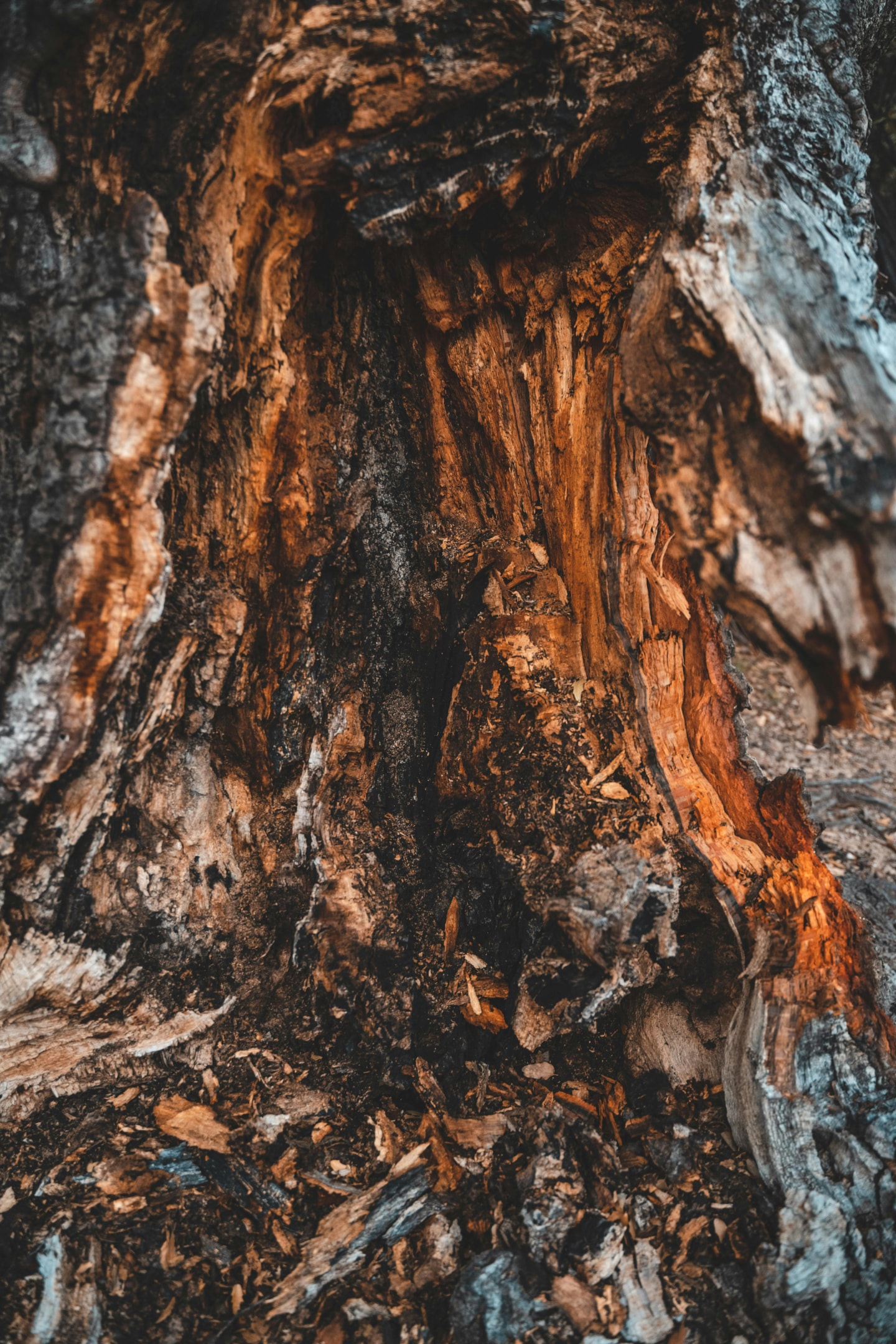
Large trees with structural issues, such as cracks in the trunk or multiple stems, pose significant risks. These problems often result from improper pruning or natural growth patterns. In these cases, a professional arborist can evaluate the tree’s condition and recommend bracing, cabling, or removal if necessary.
Structural problems are particularly concerning near buildings or high-traffic areas. Addressing these issues early can prevent costly property damage and ensure safety.
8. Poor Growth or Unusual Appearance
If a tree is not growing as expected or has an unusual form, it could indicate underlying problems. For example, sparse foliage, leaning trunks, or uneven growth patterns may result from deep planting, poor soil conditions, or pest infestations.
A professional arborist can diagnose the issue and recommend corrective measures, such as soil amendments, proper planting techniques, or pruning to restore the tree’s health and appearance.
9. Hazardous Locations and Interference
Trees located near power lines, buildings, or other structures can become hazardous as they grow. Over time, branches may interfere with utilities, roofs, or windows, creating safety and maintenance concerns. In such cases, professional pruning or tree removal may be necessary to prevent damage.
Additionally, trees planted too close to driveways, sidewalks, or other hardscapes can cause cracking or lifting due to growing roots. Addressing these issues requires expertise to balance tree health and property maintenance.
10. New Trees Needing Proper Care
Planting a new tree is an investment in your property. However, ensuring its survival requires proper care, including correct planting depth, mulching, and early pruning. Many cases of new tree failure stem from improper planting or care during the first few years.
Professional arborists can guide you through the process, ensuring the tree thrives in its environment and contributes to your landscape for several years.
The Importance of Professional Arborist Services
While some tree maintenance tasks may seem manageable, several factors make professional care indispensable. Arborists have the expertise to identify issues, apply proper pruning techniques, and manage hazardous trees safely. They can also recommend the best practices for maintaining healthy trees and enhancing your property’s value.
At Haman Landscape and Tree Co., we understand the importance of preserving your trees’ health and safety. Whether dealing with storm damage, disease, or routine maintenance, our team provides expert solutions tailored to your needs. Learn more about our arborist services here.
Conclusion
Recognizing the signs your trees need professional attention is crucial for maintaining a safe and beautiful landscape. From tree damage and pests to root issues and pruning, addressing these problems early can save time, money, and even the tree’s life. Contact a professional arborist like Haman Landscape and Tree Co., to ensure your trees remain healthy and resilient for years to come.


